Roof Repairs Succasunna NJ for Asphalt Shingle Roofs

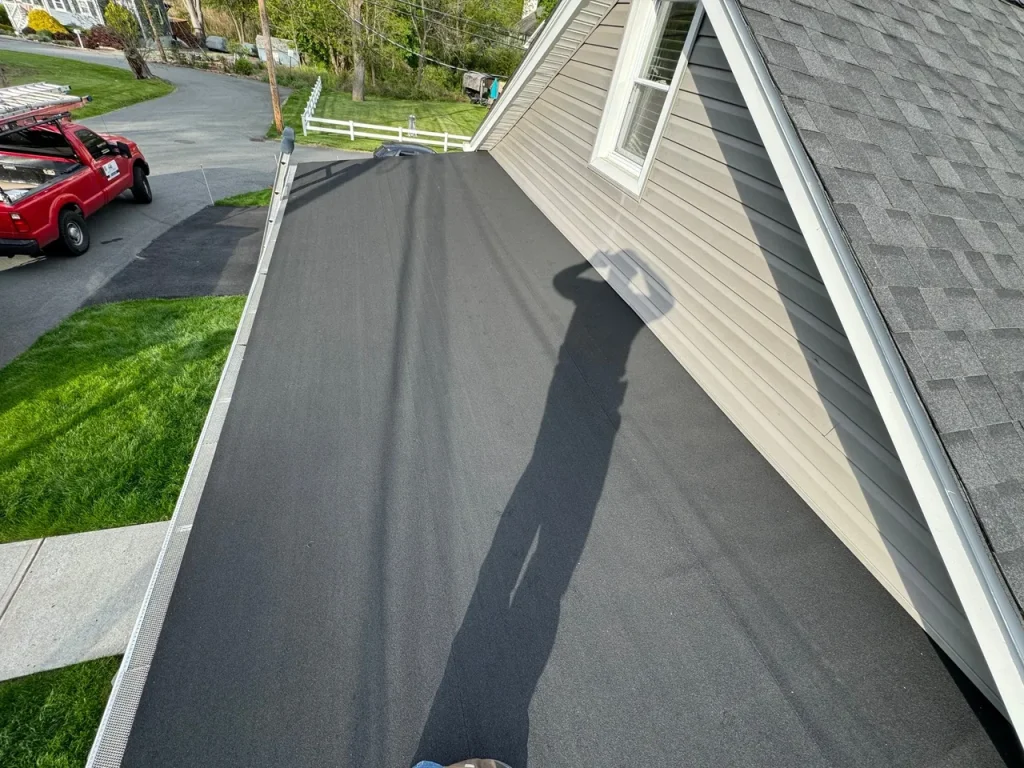

Asphalt shingle roofs cover a huge share of homes in Morris County for good reason. They are practical, relatively affordable, and well suited to the freeze and thaw cycles, summer storms, and wind-driven rain that show up through the year in North Jersey. Yet even a dependable asphalt shingle roof will need attention sooner or later. Small failures tend to start quietly. A lifted tab after a winter gust, a cracked shingle near a plumbing vent, granule loss that seems cosmetic at first, or flashing that has begun to separate just enough to let water track underneath. By the time a ceiling stain appears, the problem usually has a head start.
That is why Roof Repairs Succasunna NJ services are less about reacting to a dramatic leak and more about understanding how asphalt shingle systems actually fail in local conditions. Repairing a roof well takes judgment. The visible damage is only part of the story. A proper repair also has to account for the age of the roof, the condition of the underlayment, attic ventilation, flashing details, and whether the leak path is direct or deceptive. Water has a habit of entering in one place and showing up somewhere else entirely.
What asphalt shingle roofs in Succasunna usually face
The roofs in this part of New Jersey go through a demanding cycle. Winters can bring ice at the eaves, snow loads that are not extreme every year but heavy enough to expose weak spots, and repeated freeze-thaw movement around flashing and penetrations. Spring often reveals what winter loosened. Summer heat then bakes shingles from above while warm attic temperatures push from below if ventilation is poor. Add wind, sudden downpours, and falling branches from mature trees, and the repair calls start to make sense.
On asphalt shingle systems, a lot of trouble begins at the details rather than the broad field of shingles. Valleys, chimney flashing, sidewalls, pipe boots, skylights, and the lower roof edge are common sources of leaks. I have seen roofs where homeowners were convinced the shingles were bad, when the real culprit was an aging neoprene pipe boot that had split around the plumbing vent. I have also seen the opposite: a homeowner kept sealing around a chimney with caulk every year, not realizing the shingles uphill had become brittle and were allowing wind-driven rain under the courses.
That distinction matters. A tube of roofing sealant can buy time in a true emergency, but it rarely solves the problem if the roof assembly is moving, deteriorated, or incorrectly layered. Good Roof Repairs depend on matching the remedy to the failure.
The repair issues that show up most often
Asphalt shingles telegraph their age in ways that are easy to overlook. Granules in the gutters, isolated curling, and dark patches can all point to wear, but they do not always mean a full replacement is due. Sometimes a repair is completely reasonable, especially if the rest of the roof still has years left.
A typical repair call in Succasunna may involve one or more of these conditions:
Loose or missing shingles after wind events are common, especially on ridge lines and exposed slopes. A shingle tab that loses its seal can flap enough to crease, and once that happens, it is compromised even if it has not blown off yet.
Flashing failures are another major category. Step flashing against a dormer or sidewall can rust, shift, or be improperly integrated with siding. Counter flashing around masonry chimneys can separate at the mortar joint. Valley flashing can trap debris and hold moisture, especially where overhanging trees keep the roof damp.
Pipe boots deserve special mention because they fail so predictably. The rubber collar around the vent stack degrades from UV exposure and temperature swings. It cracks, shrinks, or tears, and then a small but persistent leak begins. The stain may show several feet away from the actual penetration.
Nail pops also cause trouble. When fasteners back out, they can lift the overlying shingle just enough to create a water entry point. The leak may appear only during wind-driven rain, which makes it frustrating to diagnose.
Finally, poor attic ventilation can accelerate shingle aging and create moisture issues that masquerade as roof leaks. I have walked attics where dark staining on the sheathing looked alarming, but the root cause was condensation from trapped humid air, not active rain penetration. If that ventilation issue is ignored, any roof repair done above will be working against ongoing heat and moisture stress below.
Why leak locations often fool homeowners
One of the hardest parts of asphalt shingle roof work is tracing the actual route of water. A stain on a second-floor ceiling does not guarantee the hole is directly above it. Water can travel along a roof deck seam, hit a framing member, run beside a chimney chase, or follow wiring before it finally drips where someone notices it.
A common example is a leak around a bathroom exhaust fan. The ceiling stain forms near the fan housing, so the assumption is that the fan vent cap is leaking. Sometimes that is true. Other times the exhaust duct in the attic is poorly insulated, creating condensation that drips back down. In another case, the real issue might be a cracked shingle three feet uphill that lets in rain, which then follows the duct to the low point. That is why a serious repair visit should include both exterior and interior investigation whenever conditions allow.
On steep roofs, or on roofs with multiple intersecting planes, this diagnostic step matters even more. Replacing a few shingles where the stain appears can waste time and money if the leak originates higher up at a wall flashing or valley detail.
When a repair makes sense, and when it does not
Not every aging asphalt roof should be repaired. The key question is whether the roof still has enough service life left to justify targeted work. On a roof that is roughly halfway through its expected life, replacing damaged shingles, renewing a flashing detail, or installing new pipe boots is usually sensible. On a roof near the end of its life, patching can become a cycle of chasing one failure after another.
There is no universal expiration date because shingle quality, sun exposure, attic ventilation, installation standards, and storm history all matter. A well-installed architectural shingle roof may age much more gracefully than a lower-grade three-tab roof exposed to full afternoon sun with poor ventilation. If the shingles are brittle, widespread granule loss is advanced, and seal strips are failing across multiple slopes, a repair may hold only briefly.
That said, replacement is not always the immediate answer either. If a homeowner needs time to plan, a well-executed repair can stabilize a problem area and protect the structure through another season or two. The important part is honesty about what the repair can and cannot do. Professional Roof Repairs should solve the present leak, not pretend to reverse the roof’s overall age.
What a proper asphalt shingle repair usually involves
A real repair is rarely just swapping one visible shingle. The work typically starts by carefully lifting surrounding shingles without damaging the ones that are still reusable. The roofer https://pastelink.net/gvrnk5mf checks for soft decking, slipped nails, underlayment damage, and any flashing issue beneath the surface. If there is rot or delamination in the deck, simply nailing down new shingles over it is not a repair. It is a disguise.
Matching shingles is another challenge homeowners are often surprised by. Even if the same brand and color are available, sun exposure changes the appearance of existing shingles over time. A repair patch may stand out at first. Usually it weathers in, but not always perfectly. This is one reason roofers sometimes pull replacement shingles from a less visible area if practical, then use new material in that hidden spot. It takes more labor, but on a front-facing slope it can make a noticeable difference.
Sealant also needs restraint. Used correctly, roofing cement or manufacturer-approved sealant helps bond replacement shingles, secure exposed fasteners where appropriate, or reinforce a detail in cold-weather conditions when self-sealing strips may not activate immediately. Used indiscriminately, it becomes a mess that traps debris, impedes drainage, and suggests the underlying repair was never properly assembled.
Flashing work often separates experienced roofers from patch artists. Around sidewalls, for example, proper step flashing should interleave with each shingle course. If someone tries to solve a leak by smearing mastic along the siding line, the roof might stay dry for a short stretch, but that sealant will age, crack, and fail. The flashing should handle the water, not the caulk.
Storm damage versus wear and tear
After a strong storm, homeowners want quick answers. Did the wind cause this leak, or was the roof already worn out? The truth can be mixed. A storm may expose a weakness that had been building for years. A brittle shingle that cracks in high wind was still damaged by wind, but its age made it vulnerable. From a repair standpoint, that distinction matters less than identifying the full scope of failure.
Storm-related asphalt shingle damage often includes lifted tabs, missing shingles, bruising from impact, displaced ridge cap shingles, bent flashing, and tree strike damage. Not all storm effects are obvious from the ground. I have seen roofs look fine from the driveway, only to reveal creased tabs across one slope once inspected up close. Those creases eventually fail because the fiberglass mat has been stressed beyond recovery.
Wear-related issues look different. Granule loss becomes broader and more even. Seal strips weaken with age. Exposed shingle edges can become brittle. Flashing corrosion progresses slowly. The repair strategy has to reflect whether the issue is isolated and sudden or generalized and progressive.
The role of ventilation and attic conditions
Roof repair conversations should include the attic more often than they do. Asphalt shingles do not live in isolation. Excess heat in summer can bake them from underneath and shorten their service life. In winter, poor ventilation can contribute to uneven roof temperatures, ice dam formation, and moisture accumulation inside the attic.
An attic inspection can reveal clues that explain why a roof section keeps failing. If the plywood around soffit areas is stained and damp, intake ventilation may be blocked by insulation. If the upper sheathing is dark and musty near the ridge, warm moist air may not be escaping effectively. If bath fans dump into the attic instead of venting outdoors, that moisture can mimic a roof leak and damage the roof deck over time.
When homeowners ask why a repaired area failed again after only a few years, ventilation is often part of the answer. Fixing the top layer without addressing the heat and moisture environment below can shorten the life of the repair.
Local conditions that shape Roof Repairs Succasunna NJ work
Succasunna homes vary, but many share features that influence roof repair decisions. Mature trees create shade, which can be good for summer heat but can also keep shingles damp longer after rain. Longer moisture exposure encourages algae streaking and can accelerate wear in shaded valleys where debris collects. Moss is less common on many modern roofs than people fear, but where it does take hold, it lifts shingle edges and traps moisture against the surface.
Split-levels, colonials, ranches, and homes with additions often have roof transitions that deserve close attention. An addition tied into the original structure may include a low-slope connector or a sidewall junction that was never ideal to begin with. Those areas can become chronic leak points if earlier repairs prioritized speed over proper water management.
Snow removal habits also matter. Homeowners sometimes rake the first few feet of shingles near the eave to reduce ice dam risk, which can help when done carefully. But aggressive scraping can break brittle tabs or pull granules off aging shingles. The roof edge then becomes more vulnerable right where water backup tends to occur.
What homeowners should watch for between inspections
Most roof failures do not announce themselves dramatically. They send quieter signals first. If you catch them early, repair costs usually stay more manageable and structural damage is less likely.
Watch for ceiling stains that darken after rain, especially around chimneys, exterior walls, and bathroom or laundry areas. Look at the gutters after storms. A few granules are normal, especially on newer roofs, but heavy accumulation on an older roof may signal accelerated wear. Check the yard for shingle pieces after high winds. From the ground, binoculars can help spot lifted or missing tabs without climbing onto the roof.
Inside the attic, if it is safe to enter, look for daylight at penetrations, damp insulation, dark streaks on the underside of the sheathing, and rust on roofing nails. Rusted nail tips can indicate long-term condensation or repeated moisture exposure. Either way, it deserves attention.
Here are five signs that a repair should not wait:
- Water stains that expand after each storm
- Shingles missing, folded back, or visibly creased
- Active dripping in the attic or around roof penetrations
- Flashing loose around chimneys, walls, or skylights
- Sagging or soft roof decking underfoot, if discovered during professional inspection
Why quick fixes often fail
Emergency patches have their place. During an active leak, protecting the interior comes first. Tarping a damaged slope, sealing an exposed fastener temporarily, or stabilizing a loosened flashing section can prevent much larger losses. The problem starts when temporary work is treated as final work.
Many failed repairs share the same pattern. Someone addresses only what is obvious from the surface. They do not remove enough material to inspect the surrounding assembly. They rely too heavily on mastic. They install new shingles without correcting fastener placement or without replacing the damaged boot or flashing below. It looks acceptable for a few months, then the leak returns under the next hard rain from the northeast.
On asphalt shingle roofs, water management depends on overlapping components that shed water in sequence. If one part is lapped incorrectly, nailed in the wrong place, or sealed where it should drain, the system becomes vulnerable. That is why skill matters more than the size of the patch.
Repair costs, value, and realistic expectations
Homeowners naturally want ballpark pricing, but roof repair costs vary because access, pitch, shingle type, story height, and hidden substrate damage all affect labor. Replacing a few wind-damaged shingles on a one-story ranch with easy access is a different job from tracing a leak around a chimney on a steep two-story colonial with brittle shingles and old flashing.
What matters more than the low bid is the scope. A fair estimate should make clear what is being repaired, what materials are included, and whether matching shingles are expected to be exact or approximate. If decking damage is possible but not confirmed until tear-back, that should be discussed upfront. Surprises are not always avoidable in roof work, but they should not feel unexplained.
A well-done repair adds value even if the roof is older. It protects insulation, framing, drywall, paint, and flooring from water damage. It reduces the chance of mold growth from recurring moisture. It can also buy time for homeowners who know replacement is coming but need to schedule it intelligently rather than under emergency pressure.
Choosing the right approach for your roof
The best roof repair decisions are specific to the house. A ten-year-old architectural shingle roof with localized storm damage deserves a different strategy than a twenty-year-old roof with widespread wear and multiple leak points. The right contractor will not treat those as the same job.
Ask how the leak will be diagnosed, not just patched. Ask whether the flashing will be replaced or merely resealed. Ask about the condition of the surrounding shingles and whether the repair may disturb brittle materials nearby. Ask if the attic should be inspected as part of the process. Those questions tend to reveal whether you are dealing with a true roofing professional or someone selling surface fixes.
For homeowners looking into Roof Repairs Succasunna NJ services, the goal should be durability, not just speed. Fast response matters when water is getting in, but lasting results come from understanding how asphalt shingle systems age, how local weather exploits weak points, and how details like flashing, ventilation, and deck condition shape the success of every repair.
When the work is done right, an asphalt shingle roof does not need drama. It simply goes back to doing its job, shedding water, protecting the structure, and giving the homeowner one less thing to worry about every time the forecast turns.
Royalty Exteriors
Address: 151 NJ-10 Ste 103A, Succasunna, NJ 07876
Phone number: +19733337234
FAQ About Roof Repairs Succasunna NJ
How much should I pay for roof repairs?
Most homeowners pay an average of $900 to $1,200 for roof repairs, with typical projects ranging from $150 to $3,000+ depending on the severity of the damage.
What are the most common roof repairs?
The most common roof repair is fixing water leaks by replacing damaged, cracked, or missing asphalt shingles and sealing compromised flashing.
Does homeowners insurance pay for roof repairs?
Homeowners insurance pays for roof repairs only if the damage is sudden and accidental, such as from a storm, hail, or a falling tree.